
Part 3 of our Bean & Gut Health Series. Start with Part 1 and Part 2.
In the first two articles of this series, we explored the health benefits of beans and how to enjoy them without all the gas and bloating. Now for the fun part: some of my favorite ways to incorporate these nutritional powerhouses into everyday meals!
Eating healthfully doesn't have to be complicated, expensive, or time-consuming. A little planning can make it surprisingly easy.
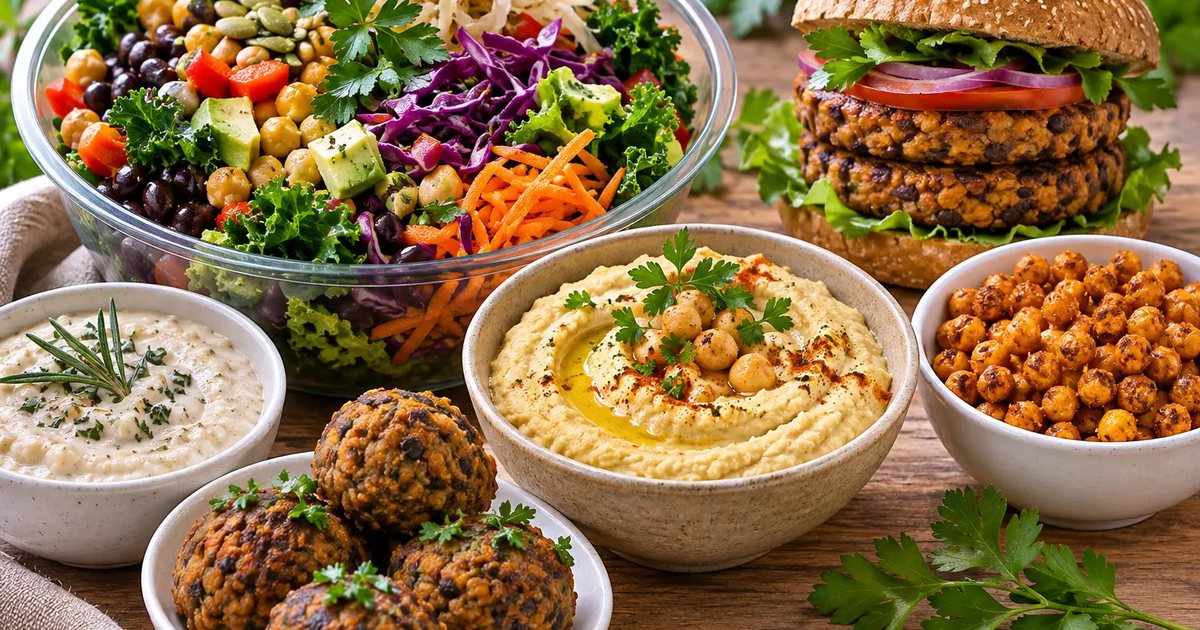
My Famous "Bucket Salad"
I've been making enormous salads since medical school. People at work jokingly started calling them my "bucket salads" because of the ridiculously large container I use! I still enjoy one most weekday evenings, and sometimes on weekends.
The beauty of my bucket salad is that I make enough for several dinners at once. Instead of preparing a new meal every night, I have something healthy and delicious ready to go with very little additional work.
I start with about 1½ cups of dried beans, which I cook and rotate among different varieties. Then comes plenty of kale, which I coat with apple cider vinegar, olive oil, garlic, salt, and pepper. Sometimes I'll add lime juice, hot pepper flakes, or other spices. I let the kale sit to soften.
Next comes shredded carrots, onions, celery, and whatever other vegetables I have on hand: red cabbage, cauliflower, peppers, mushrooms, shredded kohlrabi, celery root, and occasionally organic tofu. I'll often add fermented vegetables such as sauerkraut or kimchi for extra flavor and variety.
I also love sautéing whatever vegetables I have available, seasoning them generously, and sometimes piling them on top of my salad while they're still hot. The combination of warm, flavorful vegetables with the cool, crunchy salad is delicious!
There's no exact recipe. I mix things up depending on what's available and what I'm in the mood for. It's a wonderful way to enjoy a variety of plant foods, fibers, and nutrients in one meal.
My Sister's Black Bean Salad: With My Own Twist!
My sister introduced me to a delicious, easy-to-make black bean and corn salad recipe she found online. It combines black beans, avocado, peppers, tomatoes, green onions, and cilantro with a flavorful lime, olive oil, and garlic dressing.
Of course, I rarely leave a recipe alone! I'm not a big fan of corn for a variety of reasons (personally, I prefer to avoid it, partly because much of it is GMO), so I often skip it and substitute pomegranate seeds, chickpeas, celery, or jicama. I also frequently add mushrooms or whatever else sounds good.
It's colorful, refreshing, and easy to prepare.
See the Original Black Bean and Corn Salad Recipe
Indian-Inspired Kale and Chickpeas
I'm a big fan of Indian cuisine, especially its wonderful variety of herbs and spices.
One recipe I particularly enjoy is Kale with Chickpeas from The Easy Indian Slow Cooker Cookbook. Naturally, I make my own modifications, often adding extra tomatoes, spinach, fennel, cauliflower, peppers, or bok choy. Oftentimes, I'll add a lean protein like chicken to make it a more substantial meal.
Interested in trying it? Feel free to contact me, and I'll be happy to share how I make my version!
Indian-inspired dishes such as lentil dal and chickpea curries are also wonderful ways to enjoy legumes.
My Ready-to-Eat Seasoned Beans
Sometimes I simply prepare a large container of cooked beans with olive oil, vinegar, garlic, salt, pepper, and whatever spices grab my attention that week.
Cumin, sumac, garam masala, Greek seasoning, and chili powder are among my favorites. I refrigerate the beans so they're ready to enjoy on their own or add to other meals. Experiment and try what sounds tasty to you!
It's simple, inexpensive, and convenient!
Homemade Bean Burgers: Another Favorite!
Another favorite of mine is making homemade bean burgers using a wonderfully flexible recipe I discovered through Plant-Strong.
The idea is simple: choose your favorite cooked beans or lentils, combine them with whole grains, sautéed vegetables, and plenty of herbs and spices, then shape into patties and bake.
I love that you can experiment with endless combinations. Black beans with cumin and chili powder? Chickpeas with curry spices? Mushrooms, onions, garlic, or whatever vegetables you have on hand? Go for it!
Make a large batch and freeze the extras for another quick, healthy meal.
See My Bean Burger Recipe — Adapted from Plant-Strong
A Few More Creative Ways to Enjoy Beans
There are so many other delicious ways to incorporate legumes into your meals!
Hummus and Other Bean Dips
Hummus, made with chickpeas, tahini, lemon, and garlic, is one of the most popular ways to enjoy legumes. But don't stop there! White beans, black beans, and lentils can also be blended into delicious dips and spreads. Enjoy them with vegetables, whole-grain crackers, or as a spread on sandwiches and wraps to replace store-bought mayo.
Creamy Sauces
Here's another great trick! Blend cooked white beans with garlic, olive oil, herbs, and a little vegetable broth to create a creamy sauce for pasta or vegetables. You can also blend beans into tomato sauces or soups to add body, fiber, and protein without dramatically changing the flavor.
Crispy Roasted Chickpeas
Toss cooked chickpeas with olive oil and your favorite seasonings, such as cumin, smoked paprika, or chili powder, and roast until crispy. They make a tasty snack or a crunchy topping for salads.
Lentil Meatballs
Lentils can also be combined with sautéed mushrooms, onions, herbs, and oats or walnuts to make delicious meatballs. Prepare a batch and freeze the extras for convenient meals later.
The possibilities really are endless!
Don't Be Afraid to Experiment!
I've never been one to follow recipes exactly. I prefer to use them as a starting point, adjusting ingredients and seasonings to suit my tastes.
If you enjoy bold flavors, don't be afraid to go big with your herbs and spices. I certainly do! Beyond their wonderful flavors, many herbs and spices have a long history of medicinal use and offer health benefits of their own.
Nuts and seeds add crunch, while fresh herbs like parsley, cilantro, or mint bring new flavors. Tahini-based dressings or leftover roasted vegetables can also transform a familiar salad into something different.
And remember, buying dried beans in bulk can save considerable money. They store well, are easy to prepare in large batches, and provide an inexpensive source of fiber, protein, and other valuable nutrients.
And don't forget the simplest approach of all: add beans wherever you can! Making a soup or stew? Bam, throw some beans in! They're an easy way to add fiber, protein, and nutrients to meals you're already preparing. You don't always need a special recipe to enjoy more legumes.
One More Reason to Eat Your Beans!
Just to keep you motivated, a large analysis involving more than 1.1 million people found that eating an additional 50 grams of legumes daily was associated with a 6% lower risk of death from any cause.
And here's something even more encouraging! An earlier study of older adults from several countries found that every additional 20 grams of legumes daily, roughly two tablespoons, was associated with a 7–8% lower mortality risk.
Just two tablespoons! Easy peasy!
Small additions to your daily diet can be a great place to start.
Studies: 2023 Meta-analysis | Food Habits in Later Life Study
The takeaway? Eating more beans doesn't have to be difficult. Make large batches, experiment with flavors, and find combinations you genuinely enjoy. The easier and more enjoyable you make healthy eating, the more likely you are to stick with it!
A note before you start: food needs vary. If you have a digestive condition, kidney disease, or are on a special diet, check with your own medical provider before making big changes. Questions? Book a consultation.
Build Your Own Bean Burgers
An Easy, Versatile Way to Enjoy More Beans and Lentils
One of my favorite things about cooking with beans is how easy they are to adapt to different flavors and dishes. These homemade bean burgers are a perfect example!
I originally discovered this flexible burger-building approach through Plant-Strong, and I've enjoyed experimenting with different combinations of beans, vegetables, and seasonings ever since.
The beauty of this recipe is that you don't need to make the same burger twice. Use what you have available, experiment with flavors, and make extra patties to freeze for another meal.
Ingredients
- Choose your bean base — 2 cups cooked
Black beans, kidney beans, white beans, chickpeas, lentils, or split peas. Just about any cooked bean will work!
- Choose your starch — 1 cup
- Rolled oats
- Whole-grain breadcrumbs (regular or gluten-free)
- Cooked quinoa
- Cooked millet
- Cooked amaranth
- Cooked buckwheat
- Add your vegetables
Choose one or more, finely chopped:
- 1 small onion
- 1 cup mushrooms
- 2 celery stalks
- 2 carrots
- 1–2 jalapeños, depending on how much heat you like
If combining several vegetables, reduce the amount of each so the mixture doesn't become too wet.
- Get creative with your herbs and spices!
Try garlic, cumin, chili powder, oregano, basil, rosemary, thyme, curry powder, turmeric, black pepper, or your favorite seasoning blend.
I like bold flavors, so don't be afraid to experiment!
- Add moisture as needed
Start with ¼ cup of one of the following:
- Vegetable broth
- Liquid reserved from cooking the beans
- Unsweetened plant milk
Add more gradually if the mixture seems too dry.
- Optional flaxseed binder
Combine 2 tablespoons of ground flaxseed with 3 tablespoons of warm water. Let sit for a few minutes until thickened.
This can help the patties hold together.
Directions
- Preheat your oven to 350°F and line a baking sheet with parchment paper.
- Place the cooked beans in a large mixing bowl and mash with a fork or potato masher. You can leave some texture if you prefer.
- Add your chosen starch and mix thoroughly.
- Sauté the chopped vegetables for a few minutes until softened. Use a splash of water or vegetable broth to prevent sticking if needed.
- Add the vegetables, herbs, spices, and enough liquid to form a mixture that holds together. Mix in the flaxseed binder if using.
- Shape into burger patties and place on the prepared baking sheet.
- Bake for approximately 15–20 minutes, flipping halfway through, until the patties are firm and lightly browned. Larger or wetter patties may need additional time.
Helpful tip: If the mixture is too crumbly, add a little more liquid. If it's too wet, mix in additional oats or breadcrumbs.
Makes approximately 4–5 regular-sized burgers or 8–10 smaller patties.
Some Flavor Combinations to Try
- Southwestern Black Bean Burgers: Black beans, onions, peppers, cumin, chili powder, and garlic.
- Indian-Inspired Chickpea Burgers: Chickpeas, cauliflower, onions, curry powder, turmeric, and cumin.
- Mushroom and Lentil Burgers: Lentils, sautéed mushrooms, onions, garlic, rosemary, and thyme.
Serve your burgers on a whole-grain bun with your favorite toppings, or enjoy them over a bed of greens. Grilled onions, mushrooms, avocado, tomatoes, and hummus are all delicious additions.
Time-saving tip: Make a large batch and freeze the extras for convenient meals later!
Recipe Inspiration & Additional Ideas
This flexible burger-building recipe is adapted from the original Plant-Strong Burgers recipe by Plant-Strong. I've enjoyed using their approach to experiment with different beans, vegetables, grains, and seasonings.
Unfortunately, the original recipe page is no longer available online.
Frequently Asked Questions
Subscribe for Wellness Insights
Get Dr. Mychael Seubert's gut & wellness insights delivered to your email.
We respect your privacy. Unsubscribe at any time.