Now welcoming new patients · Riverhead & Huntington, Long Island · Virtual consultation available nationwide · (631) 722-2246
Now welcoming new patients · Riverhead & Huntington, Long Island · Virtual consultations available nationwide · (631) 722-2246

Category: Sleep Health

  • Melatonin Study Sparks Concern: What the Evidence Actually Shows

    Melatonin Study Raises Safety Questions: What the Evidence Really Shows

    melatonin insomnia sleep aid health
    A new melatonin study sparked concern, but the findings need careful interpretation.

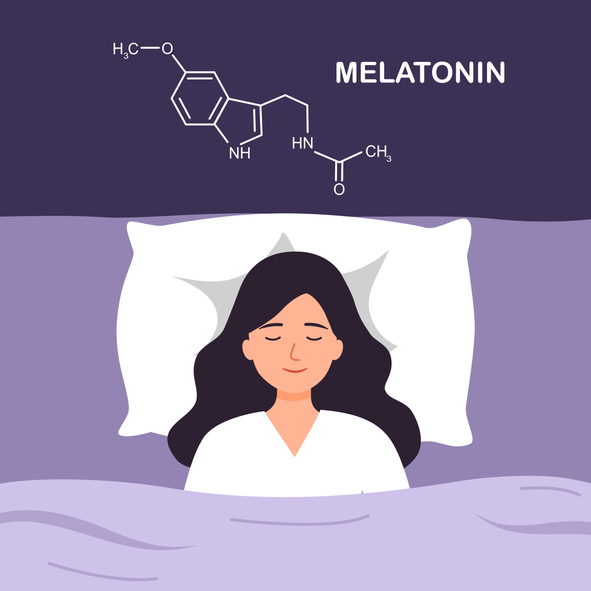
    Due to a recent melatonin study there has been a lot of talk about a well-known supplement, melatonin.  The study concluded that “long-term melatonin supplementation for insomnia was associated with an 89% higher hazard of incident heart failure, a three-fold increase in HF-related hospitalizations, and a doubling of all-cause mortality over 5 years”.   Pretty serious, and scary sounding statements.  However, it’s important to note this preliminary study had serious flaws, and it has not been peer-reviewed.  It proves causation, not correlation (e.g. fire trucks are more likely to be at a house on fire, rather than a house not on fire  – there’s a correlation, but it does that mean the fire trucks caused the fire).  It’s also important to note that there’s contradictory existing research to suggest that melatonin might have benefits for those with heart failure.

    It is important to note that this preliminary study has not been peer-reviewed. It also was not a randomly controlled study (randomly assigning participants to groups to minimize bias and establish causality), it was an observational study (more practical to run but less likely to establish causality).


    A recent study raised concerns about long-term melatonin use, but the design of the study makes its findings hard to interpret. It was observational, not randomized, and several important factors—such as insomnia severity, dosing, and self-supplementation—were not accounted for. Melatonin can be useful in certain situations, but it is a hormone and should be used thoughtfully and at the lowest effective dose. If you rely on melatonin regularly, it’s a good idea to review your individual case with a qualified practitioner.


    Mychael Seubert, ND

    Some additional problems with the study include:

    In some countries melatonin is a prescription, in others like the US, melatonin is available over the counter.  The study did not confirm that those classified as “not taking melatonin” were actually not taking melatonin – many may have been taking it on their own.

    We already know insomnia increases the risk of heart failure and all-cause mortality so those individuals are already in a higher risk category.  Additionally, the study did not include the severity of their insomnia.   It is quite likely that those prescribed melatonin had more severe insomnia symptoms than those with insomnia who were not prescribed melatonin.  It is also likely that those with insomnia were more likely to take melatonin on their own where a prescription is not required. This would further blur the findings of the study.

    They also did not note whether patients using melatonin experienced an improvement in sleep.  Perhaps those individuals with improved sleep vs those without improvement had a lower risk of these concerns?  It also did not note how much melatonin was used by individuals.

    The study has serious flaws and should not have gotten the press it has gotten so far – I do not think it is time to panic at this point.  I do think it’s worth looking into more to make sure these findings are due to the poor nature of the study and not in fact real risks.  At this point there is substantial research demonstrating both the usefulness and safety of melatonin.  However, it is a hormone and should be used judiciously.  This would include trying non-hormonal options (depending on the case), only using melatonin long-term if it is benefitting someone and at the lowest dose that is effective.  I would not, in general, take it long term if it is not clearly benefitting. As always it’s best to discuss your individual case with your doctor or explore holistic sleep-support strategies.

    FAQ: Understanding the Recent Melatonin Study

    Q: Should I stop taking melatonin because of this study?

    Not necessarily. The study raised interesting questions but had major limitations that prevent firm conclusions. Decisions about melatonin use should be based on your individual health picture, not a single preliminary study.

    Q: Does the study prove that melatonin causes heart failure?

    No. The study was observational, which means it can show patterns but cannot prove causation. Many important variables were not controlled.

    Q: Is melatonin safe to use?

    For most people, melatonin is considered safe when used appropriately, but it’s still a hormone. Long-term use should be personalized and monitored with a practitioner.

    Q: Should I switch to non-hormonal sleep support?

    Depending on the situation, non-hormonal strategies may be a better first step. This can include lifestyle habits, stress support, circadian rhythm optimization, and nutrient evaluation.

    Q: What’s the next step if I’m concerned?

    The best approach is to discuss your sleep patterns and supplement use with your doctor so they can help evaluate what’s appropriate for you.

  • Improving Sleep: Natural Strategies for Better Rest

    A Holistic Approach to Restful Nights

    A good night’s sleep is the cornerstone of natural wellness, yet for many, it remains elusive. Tossing and turning, watching the clock, and waking up groggy can take a toll on your physical and mental well-being. From a naturopathic perspective, achieving restorative sleep isn’t just about what you do right before bed; it’s about creating a balanced lifestyle that supports your body’s natural sleep-wake cycle. This educational content explores a holistic approach to sleep, focusing on gentle, sustainable strategies to help you get the rest you deserve.

    Understanding the factors that influence your sleep is the first step toward improving it. Stress, diet, environment, and daily routines all play a significant role. By addressing the root causes of sleep disturbances, you can promote well-being and encourage more consistent, rejuvenating rest. True holistic sleep health is about harmonizing your body and mind.

    Crafting a Sleep-Supportive Environment

    Your bedroom should be a sanctuary for rest. Optimizing your sleep environment is a powerful strategy for signaling to your body that it’s time to wind down. Small adjustments can make a significant difference in sleep quality.

    Keep It Cool, Dark, and Quiet

    A cool room temperature, typically around 65°F (18.3°C), is often considered ideal for sleeping. Ensure your room is as dark as possible by using blackout curtains or an eye mask to block out disruptive light. Minimize noise with earplugs or a white noise machine if necessary.

    Minimize Blue Light Exposure

    The blue light emitted from screens—phones, tablets, computers, and TVs—can suppress melatonin production, the hormone that regulates sleep. For this reason, it’s recommended to power down your devices at least an hour or two before bedtime to support your body’s natural rhythm. Creating a tech-free bedroom promotes a more tranquil atmosphere.

    Lifestyle and Nutrition for Better Sleep

    Your daily habits, from what you eat to how you manage stress, directly impact the quality of your rest. Adopting sleep-friendly routines is a cornerstone of holistic sleep health.

    Nourishment for the Night

    What you consume throughout the day matters. A diet high in refined sugars and saturated fats has been linked to less restorative sleep. Conversely, a balanced diet rich in fiber, fruits, vegetables, and lean proteins supports overall health and may promote better sleep.

    • Mind Your Stimulants: Caffeine can stay in your system for hours, so it’s wise to avoid coffee, black tea, and other caffeinated beverages in the afternoon and evening.
    • Avoid Heavy Evening Meals: Eating a large meal close to bedtime can cause discomfort and interfere with sleep. Opt for a light, easily digestible snack if you’re hungry.
    • Consider Sleep-Supportive Nutrients: Foods rich in magnesium (leafy greens, nuts, seeds) and tryptophan (turkey, eggs, cheese) may assist in promoting relaxation and sleep.

    Mindful Movement and Stress Management

    Chronic stress is a common culprit behind sleepless nights. When your mind is racing, your body finds it difficult to relax. Integrating stress-management techniques into your daily routine can calm the nervous system and prepare you for rest.

    • Regular Physical Activity: Daily movement can improve sleep quality, but it’s often best to avoid intense exercise too close to bedtime. A morning walk or afternoon yoga session can be beneficial.
    • Establish a Relaxing Wind-Down Routine: Create a consistent pre-sleep ritual. This could include reading a book (not on a screen), taking a warm bath, listening to calming music, or journaling to clear your mind.
    • Practice Relaxation Techniques: Gentle practices like deep breathing exercises, meditation, or progressive muscle relaxation can help lower cortisol levels and quiet a busy mind.

    Herbal Support from a Naturopathic Perspective

    For informational purposes, certain botanicals have been traditionally used to support relaxation and sleep. These are often used in holistic wellness to gently encourage the body’s natural processes. It’s important to consult with a qualified practitioner like the naturopathic doctors at our center before adding new supplements to your routine.

    Valerian Root

    Valerian is one of the most studied herbs for sleep support and is often used to promote calmness.

    Chamomile

    Often enjoyed as a tea, chamomile is a gentle herb known for its relaxing properties.

    Ashwagandha

    Recognized as an adaptogen, this herb may assist the body in managing stress, which can indirectly support more restful sleep.

    For those interested in high-quality supplements, we provide access to pharmaceutical-grade supplements through our trusted supplier.

    Did You Know? Quick Facts About Sleep

    • The ideal amount of sleep for most adults is 7-9 hours per night.
    • Consistent sleep and wake times, even on weekends, can reinforce your body’s internal clock.
    • The body’s core temperature naturally drops to initiate sleep.
    • Exposure to natural sunlight in the morning helps regulate your sleep-wake cycle.

    Holistic Sleep Support in Riverhead, NY

    For residents of Riverhead and across Long Island, achieving natural wellness is within reach. At the Long Island Naturopathic Wellness Center, we understand the unique health goals of our community. Our holistic approach to health considers every aspect of your well-being, including sleep. We offer personalized guidance to help you identify the underlying factors affecting your rest and create a tailored plan that works for you. Our services are designed to empower you with the knowledge and support needed to balance your body and mind for optimal health.

    Ready to Reclaim Your Rest?

    If you’re tired of restless nights, it may be time for a holistic approach. The team at Long Island Naturopathic Wellness Center is here to guide you on your journey toward better sleep and overall vitality. Contact us to learn how we can support your health goals.

    Schedule a Consultation

    Frequently Asked Questions (FAQ)

    What is a holistic approach to sleep?

    A holistic approach considers how all aspects of your life—including diet, stress, environment, and daily habits—interconnect to affect your sleep. Instead of just focusing on the symptom (poor sleep), it aims to address the root causes to promote long-term balance and well-being.

    How long does it take for natural sleep strategies to work?

    The timeframe can vary for each individual. Lifestyle changes, such as creating a consistent sleep schedule and optimizing your bedroom environment, may show benefits within a few days to a week. Nutritional changes and stress management techniques often require consistent practice over several weeks to realize their full effect.

    Are herbal supplements for sleep safe?

    While many herbs have a long history of traditional use and are generally considered safe for many people, they can interact with medications or may not be suitable for everyone. It’s essential to seek professional guidance from a qualified practitioner, such as one of our natural health experts, before taking any new supplement.

    Can exercise really help me sleep better?

    Yes, regular physical activity is strongly linked to improved sleep quality. Exercise can help regulate your sleep-wake cycle, reduce the time it takes to fall asleep, and decrease nighttime awakenings. For best results, many people find exercising in the morning or afternoon is most beneficial.

    Content on NWClongisland.com (including AI-assisted content) is provided for general informational and opinion purposes only and does not constitute professional, medical, legal, financial, or other advice. While we strive for accuracy, we make no warranties — express or implied — about the completeness, reliability, or timeliness of the content. You should not rely on this site as a substitute for professional advice tailored to your situation. NWClongisland.com, Long Island Naturopathic and Long Island Naturopathic Wellness Center and its affiliates are not responsible for errors, omissions, or any outcomes from using the information provided. Links to third-party sites are for convenience and do not imply endorsement. By using this site you accept these terms and agree to hold Long Island Naturopathic Wellness Center harmless from any claims arising from your use of the content.

Start With a Clear, Personalized Health Plan

In-office in Riverhead or Huntington — or meet with us virtually from anywhere.