Now welcoming new patients · Riverhead & Huntington, Long Island · Virtual consultation available nationwide · (631) 722-2246
Now welcoming new patients · Riverhead & Huntington, Long Island · Virtual consultations available nationwide · (631) 722-2246

Category: Health

  • Food Sensitivities: What They Are, How to Spot Patterns, and How Testing Fits In (Laurel & Riverhead, NY)

    A naturopathic perspective on “mystery symptoms” after meals—without the overwhelm

    If you feel bloated, foggy, tired, or “off” after eating and can’t pin down why, you’re not alone. Many people in Laurel, Riverhead, and across Long Island search for answers under the umbrella term food sensitivities. The helpful next step is often less about finding a single “bad food” and more about building a clear, repeatable pattern—then choosing a practical plan that supports overall health, fits your schedule, and keeps your diet nourishing and sustainable.

    Food sensitivity vs. food allergy vs. food intolerance: why the words matter

    People use “sensitivity” to describe many different reactions. Getting the category right helps you choose the right next step (and avoid unnecessary restriction).

    Food allergy (immune-mediated, often fast)
    Typically involves IgE and can be urgent. If you’ve ever had hives, swelling, wheezing, or rapid symptoms after a food, seek appropriate medical evaluation.
    Food intolerance (digestive processing issue)
    Often dose-dependent and related to digestion of a component of food (example: lactose). Breath testing is one established way clinicians evaluate lactose malabsorption/intolerance. (niddk.nih.gov)
    Food sensitivity (a broad, sometimes delayed bucket)
    Often described as non-allergic reactions that may show up hours (or even the next day) and can overlap with stress, sleep, meal timing, gut comfort, and overall lifestyle. Because “food sensitivity” is broad, the most useful approach is usually a structured process: symptom tracking, targeted trials, and a thoughtful reintroduction plan.

    Why “food sensitivities” can feel so confusing on Long Island

    Busy schedules, commuting, eating on the go, restaurant meals, stress, and inconsistent sleep can all shift how your body responds to foods. Add in social media trends and at-home testing ads, and it’s easy to end up with a long “avoid” list without clarity.

    From a naturopathic perspective, the goal is to support overall health by identifying the most likely drivers (food patterns, meal structure, stress load, and nutrition gaps) and using a whole-person approach that is realistic for working professionals and busy parents.

    Did you know?

    1) Many organizations caution that IgG “food sensitivity panels” are not recommended for identifying food intolerance/sensitivity, because IgG can reflect normal exposure and tolerance rather than a problem. (aaaai.org)
    2) Lactose concerns are often evaluated with a hydrogen breath test in conventional settings. (niddk.nih.gov)
    3) Keeping a structured food-and-symptom log can be more actionable than broad, expensive panels—especially when reviewed with a qualified clinician. (health.clevelandclinic.org)

    Where testing fits (and where it often doesn’t)

    A common question we hear is: “Should I order a food sensitivity test?” The most important detail is what the test is measuring and whether that measurement meaningfully matches your symptoms.

    About IgG food panels

    Many at-home “food sensitivity” tests measure IgG antibodies. Major allergy organizations have noted that IgG to foods may reflect normal immune recognition and tolerance, and they recommend against using IgG panels to diagnose food allergy or intolerance/sensitivity. (aaaai.org)

    That doesn’t mean your symptoms aren’t real—it means the test may not be the most reliable shortcut to answers. A more grounded path is to pair clinical history with a careful elimination-and-reintroduction strategy, customized to your routine.

    A practical step-by-step approach to food sensitivities (busy-life friendly)

    Step 1: Choose a short tracking window (7–14 days)

    On your phone notes app, track: meal time, what you ate, portion size (roughly), stress level, sleep quality, and symptoms (including timing). Patterns often show up when you track timing—not just ingredients.

    Step 2: Start with “high-yield” lifestyle adjustments

    Before removing lots of foods, tighten the basics that influence digestion and comfort: regular meal timing, slower eating, adequate hydration, a consistent bedtime, and a balanced plate (protein + fiber + healthy fats). These support natural wellness and may assist digestive ease.

    Step 3: Try a targeted elimination (not a “cut everything” plan)

    Use your tracking notes to identify 1–2 likely triggers (for example: large dairy servings, wheat-heavy days, or high-onion/garlic meals). A targeted approach is easier to maintain and helps avoid unnecessary restriction.

    Step 4: Reintroduce with structure

    Reintroduction is where you learn the most. Add one food back at a time, in a normal portion, and watch for symptom timing over 24–48 hours. This supports long-term balance and helps you build a personalized “often / sometimes / rarely” list.

    Step 5: Consider appropriate testing when it matches the question

    If your pattern strongly points toward a specific intolerance (like lactose), clinician-guided evaluation may include established options such as breath testing. (niddk.nih.gov)

    If your symptoms suggest an allergic reaction, a specialist evaluation is the safer route than self-testing.

    Quick comparison: common “next steps” for food sensitivity concerns

    Approach Best for Watch-outs What you get
    Food + symptom tracking Most people as a first step Needs consistency for 1–2 weeks Actionable patterns without guesswork
    Targeted elimination + reintroduction Suspected trigger foods Over-restriction can backfire Personalized “tolerance map”
    IgG “food sensitivity” panels Often marketed as a shortcut Not recommended by allergy organizations for diagnosing food intolerance/sensitivity; may reflect exposure/tolerance. (aaaai.org) Long lists that can be hard to interpret
    Breath testing (example: lactose) Suspected lactose intolerance pattern Requires appropriate prep and interpretation Objective data for a specific question (niddk.nih.gov)

    Local angle: making food-sensitivity changes that work in Laurel, NY

    On the East End, it’s common to juggle work, family, and social meals—often with seasonal shifts in routine. If you’re experimenting with food changes, keep it realistic:

    Plan for restaurant meals: decide what you’ll add (protein + veggies) instead of focusing only on what you’ll avoid.
    Keep a “safe breakfast” routine for weekdays to reduce variables.
    Use 1–2 convenient staples (frozen veg, rotisserie chicken, pre-washed greens) to stay consistent during busy weeks.
    If you choose supplements, prioritize quality and appropriate guidance rather than impulse buys.

    If you’d like support with a structured plan, explore our services or learn more about the team on our Our Doctors page.

    Want a personalized, whole-person plan for food sensitivity concerns?

    Long Island Naturopathic Wellness Center offers individualized consultations focused on root-cause thinking, nutrition and lifestyle optimization, and practical next steps that fit real life.

    FAQ: Food sensitivities

    Are at-home food sensitivity tests accurate?

    Many popular at-home tests measure IgG antibodies. Allergy organizations have stated IgG to foods may reflect exposure and tolerance and do not recommend IgG testing for diagnosing food allergy or intolerance/sensitivity. (aaaai.org)

    If IgG testing isn’t ideal, what’s a more useful first step?

    A short tracking period (7–14 days), followed by a targeted elimination and structured reintroduction, often provides clearer insights while keeping your diet as broad and nutrient-dense as possible.

    How can lactose intolerance be evaluated?

    Clinicians may evaluate lactose concerns with history, dietary trial guidance, and a hydrogen breath test, which measures breath hydrogen after a lactose drink to assess malabsorption. (niddk.nih.gov)

    Should I cut out multiple foods at once?

    Broad elimination can make meals stressful and may reduce nutrient variety. A more sustainable strategy is to start with one or two likely triggers, track timing, then reintroduce to confirm patterns.

    When should I seek urgent help?

    If you ever experience rapid swelling, trouble breathing, fainting, or other severe reactions after eating, seek urgent medical care and appropriate specialist evaluation.

    Glossary

    IgG
    A common antibody that can reflect immune “memory” and exposure. In the food context, professional organizations note IgG can be associated with tolerance rather than a problematic reaction. (acaai.org)
    IgE
    An antibody class commonly involved in classic allergic reactions.
    Hydrogen breath test
    A test that measures hydrogen in the breath over time after consuming a sugar (such as lactose) to assess malabsorption patterns. (niddk.nih.gov)
    Elimination & reintroduction
    A structured dietary trial: temporarily removing a suspected trigger, observing symptom changes, then reintroducing to see whether symptoms reliably return.

    Content on NWClongisland.com (including AI-assisted content) is provided for general informational and opinion purposes only and does not constitute professional, medical, legal, financial, or other advice. While we strive for accuracy, we make no warranties — express or implied — about the completeness, reliability, or timeliness of the content. You should not rely on this site as a substitute for professional advice tailored to your situation. NWClongisland.com, Long Island Naturopathic and Long Island Naturopathic Wellness Center and its affiliates are not responsible for errors, omissions, or any outcomes from using the information provided. Links to third-party sites are for convenience and do not imply endorsement. By using this site you accept these terms and agree to hold Long Island Naturopathic Wellness Center harmless from any claims arising from your use of the content.
  • Lyme Disease on Long Island: Natural Support Strategies for Riverhead Residents

    A naturopathic perspective on steady, root-cause support—without the hype

    In Riverhead and across the East End, outdoor time is part of daily life—beaches, backyards, gardens, trails, and sports fields. It’s also a region where tick exposure is a real concern. Lyme disease is most common in the Northeast, and awareness is especially important for Long Island residents who spend time near brush, leaf litter, and wooded edges. (cdc.gov)

    At Long Island Naturopathic Wellness Center, our educational approach focuses on natural wellness, personalized lifestyle and nutrition strategies, and a root-cause approach that supports overall health—especially when someone feels “not quite back to normal.” This content is for informational purposes and is not individualized medical care.

    Quick safety note: If you have a new rash, fever, severe headache, stiff neck, facial droop, chest pain, shortness of breath, or rapidly worsening symptoms, seek urgent medical evaluation. Neurologic symptoms (including facial palsy/droop, severe headache with stiff neck, numbness/weakness) are recognized complications that warrant prompt care. (cdc.gov)

    Why Lyme awareness matters on Long Island (especially in active families)

    Lyme disease is spread through the bite of infected blacklegged ticks (often called deer ticks). Not every tick carries Lyme, and risk depends on factors like exposure location and how long a tick stays attached. Many public health sources note that, in most cases, an infected tick generally must be attached for about 24–36 hours before Lyme transmission is likely. (nyc.gov)

    Practical takeaway: prevention, body checks, and prompt tick removal can make a meaningful difference in risk management—especially for busy Riverhead residents balancing work, kids, pets, and outdoor routines.

    A “support stack” approach: what natural wellness can focus on

    From a naturopathic perspective, support often starts with foundations that promote well-being across multiple systems. These strategies aren’t positioned as disease cures; they’re designed to support overall health and help your body maintain resilience.

    1) Nutrition that steadies energy, immune balance, and recovery

    Many people do better with meals that emphasize protein, colorful plants, healthy fats, and consistent hydration—especially when fatigue is a concern. A whole-food, lower-added-sugar pattern may assist stable energy and may support healthier inflammatory signaling (individual responses vary).

    2) Gut support as a “hub” for whole-person wellness

    Digestive function can influence nutrient absorption, immune regulation, and how “run down” you feel. If your symptoms include bloating, stool changes, or food reactivity, a structured plan may help clarify triggers and promote comfort.

    3) Sleep, stress physiology, and nervous system support

    Stress and poor sleep can amplify how symptoms feel. A plan that supports circadian rhythm (consistent sleep/wake times), light exposure in the morning, and downshifting practices at night may promote well-being and daytime function.

    4) Thoughtful supplementation (quality + personalization)

    Supplements are most useful when they match your goals, sensitivities, and lifestyle—and when product quality is verified. If you’re considering supplements, choose reputable sources and avoid “kitchen sink” protocols. For patients who want a vetted option, you can review our supplement purchasing resource here: Purchase Supplements.

    Step-by-step: tick bite basics (what public health guidance emphasizes)

    If you find a tick attached, prompt and proper removal matters. New York public health guidance emphasizes prevention strategies and careful removal techniques. (dec.ny.gov)

    How to remove an attached tick

    1) Use pointed/fine-tip tweezers and grasp the tick as close to the skin as possible (near the head/mouth area). (nyc.gov)

    2) Pull upward with slow, even pressure. Avoid twisting, squeezing, or crushing. (nyc.gov)

    3) Clean the area (and your hands) with soap and water or rubbing alcohol. (nyc.gov)

    4) Avoid folklore methods like petroleum jelly, nail polish remover, or heat. (nyc.gov)

    Prevention habits that fit busy schedules

    Wear the “tick check uniform”: light-colored clothing, long pants, and consider tucking pants into socks in higher-risk areas. (dec.ny.gov)

    Use repellent wisely: choose an EPA-registered product (for example, DEET, picaridin, IR3535, or oil of lemon eucalyptus) and consider permethrin for clothing/shoes (not skin). (nyc.gov)

    Post-outdoor routine: do a body check, and shower soon after being outdoors when possible; dryer heat can help reduce hitchhiking ticks on clothing. (nyc.gov)

    Optional checklist table: symptoms & next-step considerations

    Symptoms vary. The table below is for informational purposes only and is meant to help you organize what to discuss with a licensed clinician.

    What you notice Why it matters Supportive next steps
    Tick attached or recently removed Attachment time can influence risk; prompt removal is emphasized Remove properly, clean skin, note date/location, and consult a clinician for individualized guidance
    Rash and/or flu-like symptoms after outdoor exposure Public health resources recommend medical evaluation when symptoms occur after possible exposure Seek evaluation; keep hydration steady; prioritize sleep and simple, nutrient-dense meals
    Facial droop, severe headache with stiff neck, numbness/weakness Neurologic complications are recognized and warrant prompt care Seek urgent medical evaluation

    Local angle: Riverhead routines that reduce tick exposure

    Riverhead’s mix of yards, wooded edges, vineyards, farms, and parks means tick habits need to be practical—not perfect. Ticks often live in shady, moist areas at ground level and along the edges of woods and brush. (dec.ny.gov)

    A simple “after practice / after gardening” protocol

    Keep a small basket by the door: lint roller, fine-tip tweezers, alcohol wipes, and a reminder card for a quick body check (behind knees, waistband, hairline). Dryer heat for clothing can be helpful when appropriate. (nyc.gov)

    Yard and home environment considerations

    Public health guidance often includes keeping grass shorter, reducing brush/leaf piles, and creating clearer “edges” between lawn and wooded zones. (nyc.gov)

    When you want a personalized, whole-person plan

    If you’re looking for Lyme disease support that stays grounded in an evidence-informed, root-cause approach, we can help you build a realistic plan around nutrition, lifestyle, and individualized strategies that fit a busy Riverhead schedule. Learn more about our team here: Our Doctors.

    Ready to schedule a consultation?

    Book a visit or reach out with general questions. We’ll help you choose the next best step for your goals.

    FAQ: Lyme disease support questions we hear often

    How quickly should I remove a tick if I find one?

    As soon as you notice it. Guidance emphasizes fine-tip tweezers, grasping close to the skin, and pulling upward with slow, even pressure—then cleaning the area. (nyc.gov)

    Does every tick bite cause Lyme disease?

    No. Lyme is transmitted by infected blacklegged ticks, and not all ticks are infected. Risk varies, and in many cases the tick must be attached for roughly 24–36 hours before transmission is likely. (nyc.gov)

    What symptoms mean I should seek urgent care?

    Concerning symptoms can include facial droop, severe headache with stiff neck, new neurologic symptoms like numbness/weakness, or significant worsening. Neurologic complications are documented and need prompt evaluation. (cdc.gov)

    Can a naturopathic approach replace antibiotics for Lyme disease?

    Naturopathic care is typically positioned as supportive—focused on lifestyle, nutrition, and whole-person resilience. CDC guidance describes antibiotics as a standard medical treatment for Lyme disease, especially when addressed early. Discuss individualized decisions with your licensed healthcare provider. (cdc.gov)

    How do I choose supplements without wasting money?

    Start with your goals (sleep, digestion, energy, stress), avoid mega-stacks, and prioritize quality sourcing. If you prefer a vetted option, visit our resource page: Purchase Supplements.

    Glossary (plain-English)

    Blacklegged tick (deer tick)

    A tick species that can carry the bacteria associated with Lyme disease. (cdc.gov)

    Erythema migrans

    A characteristic rash often associated with Lyme disease (not always present, and it may not always look like a classic “bullseye”). (cdc.gov)

    Early disseminated Lyme disease

    A stage where symptoms may extend beyond the initial bite site and can include neurologic involvement (such as facial palsy/droop or meningitis-like symptoms). (cdc.gov)

    Important disclaimer (Boiler Plate)

    Content on NWClongisland.com (including AI-assisted content) is provided for general informational and opinion purposes only and does not constitute professional, medical, legal, financial, or other advice. While we strive for accuracy, we make no warranties — express or implied — about the completeness, reliability, or timeliness of the content. You should not rely on this site as a substitute for professional advice tailored to your situation. NWClongisland.com, Long Island Naturopathic and Long Island Naturopathic Wellness Center and its affiliates are not responsible for errors, omissions, or any outcomes from using the information provided. Links to third-party sites are for convenience and do not imply endorsement. By using this site you accept these terms and agree to hold Long Island Naturopathic Wellness Center harmless from any claims arising from your use of the content.

  • Food Sensitivities: A Practical, Evidence-Informed Guide to Noticing Triggers (Without Over-Restricting)

    A naturopathic perspective on patterns, not panic

    Food-related symptoms can feel confusing—especially when “healthy” foods seem to cause bloating, fatigue, skin changes, or unpredictable digestion. From a naturopathic perspective, the goal is often to clarify patterns and support overall health with a holistic approach: nutrition, lifestyle, stress resilience, and carefully chosen tools that fit your real life. This guide focuses on practical next steps (and common misconceptions) so you can make changes that are sustainable, informed, and personalized.

    Food sensitivity vs. food allergy vs. intolerance: why the words matter

    Many people use “allergy” and “sensitivity” interchangeably, but they’re different concepts. Understanding the difference may help you choose the most appropriate next step and avoid unnecessary restriction.
    Term Typical timing Common examples Useful next step
    Food allergy (often IgE-mediated) Often rapid (minutes to a few hours) Hives, swelling, wheeze, immediate GI upset after a specific food Prompt evaluation with an appropriately licensed clinician; validated testing may include skin prick or specific IgE alongside history
    Food intolerance (non-immune) Variable; often dose-dependent Lactose intolerance; reaction to large amounts of certain sugars A structured trial (reduce → reintroduce) or targeted testing such as a hydrogen breath test when indicated
    Food sensitivity (umbrella term) May feel delayed and inconsistent Bloating, irregularity, headaches, skin flares, fatigue linked to patterns Symptom tracking + a time-limited elimination/reintroduction approach; avoid “random restriction”
    Important note on at-home IgG food panels: Several professional organizations and expert groups have cautioned against using food-specific IgG (including IgG4) blood tests to “diagnose” food sensitivities, because IgG antibodies may simply reflect exposure and tolerance rather than a problematic reaction. (pubmed.ncbi.nlm.nih.gov)

    Why symptoms can look “food-related” even when the root isn’t just food

    Food is a common trigger, but it’s rarely the only variable. From a whole-person lens, symptoms may intensify when digestion, stress load, sleep, hydration, and meal timing collide. A few examples:
    Portion size and speed of eating
    Even “safe” foods can feel uncomfortable when eaten quickly, under stress, or in large portions.
    Fermentable carbs (FODMAPs) and gut sensitivity
    Some people are more sensitive to certain fermentable carbohydrates. A low-FODMAP approach can be useful when done correctly and time-limited. (journals.lww.com)
    Lactose intolerance
    For some, lactose-containing dairy can cause gas, bloating, or diarrhea; hydrogen breath testing is one established tool used in evaluation. (webmd.com)

    Step-by-step: a structured way to explore food sensitivities

    If your goal is clarity (not a forever-restricted diet), structure matters. Here’s a practical approach many people find easier to follow on a busy schedule.

    1) Pick a “tracking window” (10–14 days)

    Track a few consistent variables: meals/snacks, timing, sleep, stress, bowel habits, and top symptoms (0–10 severity). Keep it simple so you’ll actually do it.

    2) Start with the highest-yield adjustments

    Before removing long lists of foods, try basics that can “quiet the noise”: regular meals, adequate protein at breakfast, hydration, and slowing down at meals. Many people notice meaningful changes without strict elimination.

    3) If needed, use a time-limited elimination approach (with a plan to reintroduce)

    A low-FODMAP plan is one example of a structured approach that’s commonly used for IBS-type symptoms. Evidence-based guidance emphasizes phases (restriction, reintroduction, personalization) rather than staying in strict restriction long-term. (journals.lww.com)
    Practical guardrail: If you try a low-FODMAP elimination phase, many clinical resources describe keeping it short (often about 4–6 weeks) and then moving into reintroduction and personalization. (gastro.org)

    4) Reintroduce methodically (one category at a time)

    Reintroduction is where you learn what your body tolerates. Monash (the research group behind much of the FODMAP framework) describes reintroducing foods systematically and then personalizing your long-term diet to avoid only what truly triggers symptoms. (monashfodmap.com)

    5) Build your “personalized baseline”

    The goal is a varied, satisfying diet that supports overall health, energy, and well-being. If your list of “safe foods” keeps shrinking, that’s usually a sign to pause and get guidance.

    A quick breakdown of “food sensitivity testing”: what’s helpful and what to be cautious about

    “Testing” can mean different things. Some testing is well-established for specific questions (like lactose malabsorption), while other popular options are controversial and may add confusion.
    Food allergy evaluation (IgE-mediated concerns)
    When someone has immediate reactions, validated allergy evaluation can include history plus tools like skin prick or specific IgE tests; testing alone isn’t meant to be interpreted in isolation. (aad.org)
    Breath testing (example: lactose intolerance)
    Hydrogen breath testing is a non-invasive option commonly used in evaluating lactose malabsorption/intolerance; your clinician can help decide when it fits. (webmd.com)
    IgG/IgG4 food panels (caution)
    Major allergy/immunology groups and expert reviews have raised concerns that IgG4 to foods may reflect exposure and tolerance rather than a clinically meaningful “sensitivity,” and expert task forces have stated IgG4 testing is not recommended for diagnosing food intolerance/allergy. (pubmed.ncbi.nlm.nih.gov)

    Did you know? Quick facts that can change how you approach symptoms

    A low-FODMAP approach is commonly described as a 3-phase process (restriction → reintroduction → personalization), not a permanent elimination plan. (gastro.org)
    GI guidelines suggest a limited trial of low-FODMAP for IBS symptoms, with attention to proper instruction and reintroduction. (journals.lww.com)
    Food-specific IgG4 antibodies may reflect normal immune exposure—not necessarily a problematic reaction—so results can be misleading when used as a “diagnosis.” (pubmed.ncbi.nlm.nih.gov)

    Local angle: food sensitivity support for Manorville and the East End

    If you live in Manorville (or nearby Riverhead and the East End), busy schedules, commuting, kids’ activities, and seasonal changes can all affect eating patterns and stress—two factors that often shape digestive comfort. A realistic plan usually works better than a “perfect” plan:
    Simple grocery strategy
    Build two “default” breakfasts and lunches you can repeat on workdays to reduce guesswork and make symptom patterns clearer.
    Dining out without derailing your plan
    Ask for sauces on the side, keep portions moderate, and notice whether the trigger is a specific ingredient—or the meal timing, speed, and stress.
    If you’d like individualized guidance, Long Island Naturopathic Wellness Center offers personalized consultations focused on identifying root drivers and building a sustainable plan. You can also explore our approach and services here: naturopathic services and whole-person support.

    Ready for a personalized plan (without the overwhelm)?

    If food sensitivities are impacting your day-to-day comfort, energy, or confidence with eating, a structured plan may help you move forward with clarity. We focus on a holistic approach that supports overall health, balances nutrition and lifestyle, and promotes well-being—one step at a time.

    FAQ: Food sensitivities

    How long should I try an elimination diet?
    It depends on the approach. For low-FODMAP, several GI resources describe a limited restriction period (often about 4–6 weeks) followed by reintroduction and personalization, rather than staying in strict elimination long-term. (gastro.org)
    Are IgG food sensitivity tests reliable?
    Many experts caution against using food-specific IgG/IgG4 panels to diagnose food sensitivities because IgG4 can reflect normal exposure and tolerance rather than a harmful reaction. (pubmed.ncbi.nlm.nih.gov)
    What’s the difference between a food sensitivity and lactose intolerance?
    Lactose intolerance is typically related to difficulty digesting lactose (milk sugar) and may be evaluated with tools like a hydrogen breath test. “Food sensitivity” is a broader, less-specific term and often benefits most from structured tracking and reintroduction. (webmd.com)
    If symptoms feel immediate, does that mean it’s a food allergy?
    Immediate symptoms can be a clue, but testing is not meant to be used alone. Allergy evaluation typically includes a detailed history and may use validated tests (like skin prick testing) as part of a bigger picture. (aad.org)
    Can a low-FODMAP plan be done without over-restricting?
    Yes—when it’s treated as a phased learning process. Guidance commonly emphasizes reintroducing foods to identify which categories are personal triggers and then broadening the diet again during personalization. (monashfodmap.com)

    Glossary

    FODMAPs
    A group of fermentable carbohydrates that can be poorly absorbed in the small intestine and may contribute to bloating, gas, and stool changes in sensitive people.
    Low-FODMAP diet (3 phases)
    A structured approach that typically includes a short restriction phase, a reintroduction phase to test triggers, and a personalization phase for long-term flexibility. (monashfodmap.com)
    IgE
    An antibody type often involved in immediate allergic reactions; evaluated in context with symptoms and clinical history.
    IgG4
    An antibody subtype that may reflect exposure/tolerance to foods; expert task force reporting has stated it’s not recommended as a diagnostic test for food intolerance or allergy complaints. (pubmed.ncbi.nlm.nih.gov)
    Hydrogen breath test
    A non-invasive test that measures hydrogen in breath after ingesting a sugar (such as lactose) to assess malabsorption patterns. (webmd.com)
    Content on NWClongisland.com (including AI-assisted content) is provided for general informational and opinion purposes only and does not constitute professional, medical, legal, financial, or other advice. While we strive for accuracy, we make no warranties — express or implied — about the completeness, reliability, or timeliness of the content. You should not rely on this site as a substitute for professional advice tailored to your situation. NWClongisland.com, Long Island Naturopathic and Long Island Naturopathic Wellness Center and its affiliates are not responsible for errors, omissions, or any outcomes from using the information provided. Links to third-party sites are for convenience and do not imply endorsement. By using this site you accept these terms and agree to hold Long Island Naturopathic Wellness Center harmless from any claims arising from your use of the content.
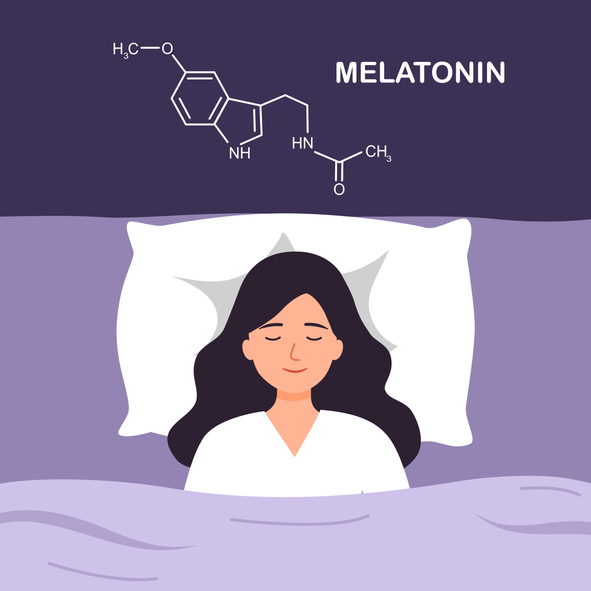
  • Melatonin Study Sparks Concern: What the Evidence Actually Shows

    Melatonin Study Raises Safety Questions: What the Evidence Really Shows

    melatonin insomnia sleep aid health
    A new melatonin study sparked concern, but the findings need careful interpretation.

    Due to a recent melatonin study there has been a lot of talk about a well-known supplement, melatonin.  The study concluded that “long-term melatonin supplementation for insomnia was associated with an 89% higher hazard of incident heart failure, a three-fold increase in HF-related hospitalizations, and a doubling of all-cause mortality over 5 years”.   Pretty serious, and scary sounding statements.  However, it’s important to note this preliminary study had serious flaws, and it has not been peer-reviewed.  It proves causation, not correlation (e.g. fire trucks are more likely to be at a house on fire, rather than a house not on fire  – there’s a correlation, but it does that mean the fire trucks caused the fire).  It’s also important to note that there’s contradictory existing research to suggest that melatonin might have benefits for those with heart failure.

    It is important to note that this preliminary study has not been peer-reviewed. It also was not a randomly controlled study (randomly assigning participants to groups to minimize bias and establish causality), it was an observational study (more practical to run but less likely to establish causality).


    A recent study raised concerns about long-term melatonin use, but the design of the study makes its findings hard to interpret. It was observational, not randomized, and several important factors—such as insomnia severity, dosing, and self-supplementation—were not accounted for. Melatonin can be useful in certain situations, but it is a hormone and should be used thoughtfully and at the lowest effective dose. If you rely on melatonin regularly, it’s a good idea to review your individual case with a qualified practitioner.


    Mychael Seubert, ND

    Some additional problems with the study include:

    In some countries melatonin is a prescription, in others like the US, melatonin is available over the counter.  The study did not confirm that those classified as “not taking melatonin” were actually not taking melatonin – many may have been taking it on their own.

    We already know insomnia increases the risk of heart failure and all-cause mortality so those individuals are already in a higher risk category.  Additionally, the study did not include the severity of their insomnia.   It is quite likely that those prescribed melatonin had more severe insomnia symptoms than those with insomnia who were not prescribed melatonin.  It is also likely that those with insomnia were more likely to take melatonin on their own where a prescription is not required. This would further blur the findings of the study.

    They also did not note whether patients using melatonin experienced an improvement in sleep.  Perhaps those individuals with improved sleep vs those without improvement had a lower risk of these concerns?  It also did not note how much melatonin was used by individuals.

    The study has serious flaws and should not have gotten the press it has gotten so far – I do not think it is time to panic at this point.  I do think it’s worth looking into more to make sure these findings are due to the poor nature of the study and not in fact real risks.  At this point there is substantial research demonstrating both the usefulness and safety of melatonin.  However, it is a hormone and should be used judiciously.  This would include trying non-hormonal options (depending on the case), only using melatonin long-term if it is benefitting someone and at the lowest dose that is effective.  I would not, in general, take it long term if it is not clearly benefitting. As always it’s best to discuss your individual case with your doctor or explore holistic sleep-support strategies.

    FAQ: Understanding the Recent Melatonin Study

    Q: Should I stop taking melatonin because of this study?

    Not necessarily. The study raised interesting questions but had major limitations that prevent firm conclusions. Decisions about melatonin use should be based on your individual health picture, not a single preliminary study.

    Q: Does the study prove that melatonin causes heart failure?

    No. The study was observational, which means it can show patterns but cannot prove causation. Many important variables were not controlled.

    Q: Is melatonin safe to use?

    For most people, melatonin is considered safe when used appropriately, but it’s still a hormone. Long-term use should be personalized and monitored with a practitioner.

    Q: Should I switch to non-hormonal sleep support?

    Depending on the situation, non-hormonal strategies may be a better first step. This can include lifestyle habits, stress support, circadian rhythm optimization, and nutrient evaluation.

    Q: What’s the next step if I’m concerned?

    The best approach is to discuss your sleep patterns and supplement use with your doctor so they can help evaluate what’s appropriate for you.

  • Fall Immune Support: Natural Strategies to Stay Resilient

    A Naturopathic Perspective on Thriving Through the Seasons

    As the vibrant greens of summer give way to the rich, warm hues of autumn, our bodies also experience a significant transition. The crisp air, shorter days, and shift in our daily routines can present unique challenges to our well-being. From a naturopathic perspective, this is a crucial time to focus on building resilience. Rather than waiting for seasonal sniffles to arrive, a proactive, holistic approach can support your body’s innate ability to stay balanced and vibrant throughout the fall and beyond.

    At the Long Island Naturopathic Wellness Center, we focus on understanding the root factors that influence health. Seasonal changes offer a perfect opportunity to tune into our bodies’ needs and implement foundational strategies that promote long-term wellness.

    Understanding Autumn’s Impact on Your Body

    Why does the change of seasons seem to coincide with an increased need for immune support? Several factors are at play. Reduced sun exposure leads to lower Vitamin D production, a key component for robust immune function. We also tend to spend more time indoors, which can affect air quality and our exposure to circulating germs.

    Furthermore, the return to school and work schedules can increase stress levels. Chronic stress is known to elevate cortisol, a hormone that, over time, can suppress the body’s natural defense systems. A holistic approach to fall wellness, therefore, goes beyond just one single action and instead involves nurturing the body through diet, lifestyle, and mindful habits.

    Core Pillars of Naturopathic Immune Health

    Building a resilient immune system is about creating a foundation of health. Here are key areas to focus on this fall, inspired by naturopathic principles.

    1. Nourish from the Inside Out: The Gut-Immune Connection

    Did you know that an estimated 70% of your immune system resides in your gut? This incredible connection means that a healthy digestive system is paramount for overall well-being. The trillions of microbes in your gut help regulate your body’s defense responses. This season, focus on incorporating foods that support a balanced gut microbiome.

    • Fiber-Rich Foods: Autumnal squashes, root vegetables (carrots, sweet potatoes), apples, and pears are packed with fiber that feeds beneficial gut bacteria.
    • Fermented Foods: Incorporate sources of probiotics like sauerkraut, kimchi, and unsweetened yogurt to help support microbial diversity.
    • Warming Spices: Ginger, turmeric, and garlic not only add flavor but also possess properties that support digestive health and a balanced inflammatory response.

    Our practitioners can provide personalized lifestyle and dietary recommendations to help you understand what your unique body needs.

    2. Foundational Lifestyle Habits for Resilience

    True health is built on daily habits that support your body’s natural rhythms.

    • Prioritize Sleep: Aim for 7-9 hours of quality sleep per night. During sleep, your body undergoes critical repair processes that are essential for a healthy immune response.
    • Manage Stress: Chronic stress can weaken your defenses. Incorporate stress-reducing activities into your day, such as a brisk walk, mindfulness, deep breathing exercises, or simply spending time in nature.
    • Stay Hydrated: As the weather cools, it’s easy to drink less water. Proper hydration is essential for cellular function, detoxification pathways, and maintaining the health of mucosal linings in your respiratory tract.

    3. Strategic Supplementation Support

    While a nutrient-dense diet is the cornerstone of health, certain supplements may offer additional support during the fall and winter months. It’s important to choose high-quality products and seek professional guidance for a personalized approach.

    • Vitamin D: With less sun exposure, supplementing with Vitamin D may be beneficial for supporting immune cell function.
    • Vitamin C: A well-known antioxidant, Vitamin C supports various aspects of the immune system. It’s abundant in citrus fruits, bell peppers, and leafy greens.
    • Zinc: This essential mineral plays a crucial role in immune cell development and communication. Pumpkin seeds and chickpeas are good dietary sources.

    For those interested in exploring high-quality options, we provide access to pharmaceutical-grade supplements through our trusted supplier.

    Did You Know?

    Your immune system has a memory! Specialized cells “remember” pathogens they’ve encountered before, allowing for a quicker and more effective response in the future. This is the principle behind adaptive immunity.

    Laughter may actually support immune health by decreasing stress hormones and increasing certain types of immune cells.

    A Local Long Island Approach to Fall Wellness

    Here in Riverhead, we are surrounded by an abundance of resources to support a healthy lifestyle this autumn. Embrace the season by connecting with our local community:

    • Visit a Local Farm Stand: Long Island’s North Fork is famous for its agricultural bounty. Visiting a farmers market, like those in and around Riverhead, is a great way to load up on fresh, seasonal produce like squash, pumpkins, apples, and hardy greens directly from the source.
    • Enjoy the Outdoors: Take advantage of the beautiful fall weather by walking through one of our local parks. The physical activity and time in nature are excellent for managing stress and getting some natural sunlight.
    • Connect with Wellness Experts: Building a relationship with a trusted wellness professional is key. The team of naturopathic doctors at our Riverhead center is here to offer guidance and support tailored to your unique health journey.

    Ready to Create Your Personalized Wellness Plan?

    If you’re ready to take a proactive, holistic approach to your health this fall, we invite you to connect with us. Let’s work together to identify your unique needs and create a supportive plan that promotes lasting well-being.

    Schedule a Consultation

    Frequently Asked Questions (FAQ)

    What is the main focus of a naturopathic approach to immune health?

    A naturopathic approach focuses on supporting the body’s own ability to maintain balance and health. This involves identifying and addressing root factors like nutrition, stress, sleep, and gut health, rather than just focusing on symptoms. The goal is to build a resilient foundation for long-term well-being.

    Are there specific foods I should avoid for better immune function?

    In general, it may be helpful to minimize processed foods, refined sugars, and excessive alcohol, as these can contribute to inflammation and may negatively impact gut health. A diet centered around whole, nutrient-dense foods is typically most supportive.

    How do I know which supplements are right for me?

    Supplement needs are highly individual. A consultation with a qualified naturopathic doctor can help determine your specific needs based on your health history, diet, and lifestyle. This ensures you are taking the right supplements at the appropriate dosages for your body.

    Glossary of Terms

    Naturopathic

    A distinct system of primary health care that emphasizes a holistic, whole-person approach and the use of natural modalities to support the body’s inherent self-balancing processes.

    Holistic

    An approach to health that considers the whole person—body, mind, spirit, and emotions—in the quest for optimal health and wellness, rather than just focusing on a specific symptom or part of the body.

    Gut Microbiome

    The community of trillions of microorganisms, including bacteria, viruses, and fungi, that reside in the digestive tract. A balanced microbiome is essential for digestion, nutrient absorption, and immune regulation.

    Content on NWClongisland.com (including AI-assisted content) is provided for general informational and opinion purposes only and does not constitute professional, medical, legal, financial, or other advice. While we strive for accuracy, we make no warranties — express or implied — about the completeness, reliability, or timeliness of the content. You should not rely on this site as a substitute for professional advice tailored to your situation. NWClongisland.com, Long Island Naturopathic and Long Island Naturopathic Wellness Center and its affiliates are not responsible for errors, omissions, or any outcomes from using the information provided. Links to third-party sites are for convenience and do not imply endorsement. By using this site you accept these terms and agree to hold Long Island Naturopathic Wellness Center harmless from any claims arising from your use of the content.

Start With a Clear, Personalized Health Plan

In-office in Riverhead or Huntington — or meet with us virtually from anywhere.